CertiK Invited to INTERPOL Cybercrime Workgroup to Present Cross-Chain Tracing and Asset Freeze Procedures
HANOI, Vietnam, Nov. 26, 2026 (GLOBE NEWSWIRE) -- CertiK, the world's largest Web3 security services provider,
Press Release Disclaimer: This is a press release distributed through the XPR Media network. It has not been independently verified by our newsroom.


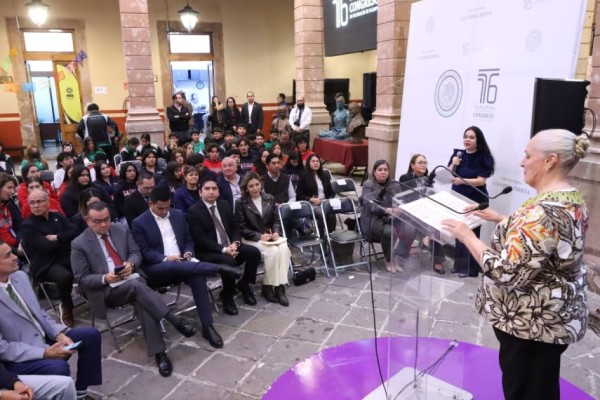
HANOI, Vietnam, Nov. 26, 2026 (GLOBE NEWSWIRE) — CertiK, the world’s largest Web3 security services provider, attended the 3rd INTERPOL’s Asia and South Pacific (ASP) Working Group Meeting on Cybercrime / Crypto Investigation Workshop by invitation and delivered blockchain investigation training on cross-chain fund tracing and asset freeze procedures. The training helped officers understand how stolen funds move and how to use investigative evidence to pursue freeze requests. Organized by INTERPOL’s Cybercrime Directorate (ASP Cybercrime Operations Desk) and Vietnam’s Ministry of Public Security, the meeting took place in Hanoi on October 27–30 with senior law enforcement representatives from 20 countries. CertiK, Tether and Upbit were among the private-sector partners.
For law enforcement investigators, responding to asset theft involves two key steps. First, investigators need to trace token swaps, cross-chain bridges and intermediary wallets to map complex fund flows and identify misleading transactions that could interfere with the investigation. Second, after locating the funds, they need to contact exchanges promptly, submit appropriate law enforcement requests and coordinate with authorities in other jurisdictions to support further action.
CertiK’s experts guided participating officers through a real wallet-compromise case. During the exercise, officers used open-source blockchain explorers and CertiK Compliance to follow funds across chains, swaps and intermediary wallets to three deposit addresses at an exchange. The exercise also included identifying address-poisoning decoys intended to mislead the investigation. The experts also explained the exchange outreach, law enforcement portal and formal request process used to secure a freeze of funds at the exchange.
Beyond fund flows, the training examined how attacks occur and what on-chain records can reveal. CertiK’s experts examined wallet activity before and after suspicious transactions and explained how smart contract vulnerabilities and audit findings can inform investigations. Sessions also addressed compromised signing keys, phishing and social engineering, helping officers distinguish different attack mechanisms and determine which conclusions require further corroboration from other evidence.
The training also covered how investigators can use attack trends and project risk information to support case analysis. In the Global Blockchain Threat Landscape: 2026 Review & 2027 Outlook presentation, Esme Pau, Head of Capital Markets and Policy at CertiK, cited approximately $2.6 billion in losses during the first three quarters of 2026, highlighting compromised keys, targeted phishing and supply-chain attacks. Pau outlined how investigators can use CertiK’s public security dashboard to assess broader attack patterns and Skynet to examine project-level risk signals.
“Investigators need both a clear picture of how an attack happened and a practical route to act on the evidence. Cooperation between technical specialists, exchanges and law enforcement helps connect those findings with the requests and decisions needed to pursue stolen assets,” said Pau.

Media contact
Elisa Yiting Xu
yiting.xu@certik.com
Media gallery