
West Virginia Lawmakers Continue Scrutiny of Flock Safety Technology Amid Privacy Concerns
West Virginia lawmakers in Charleston convened a second meeting with Flock Safety representatives, expressing that many questions regarding the company's technology, data access, and potential misuse remained unanswered from their initial discussion. Lawmakers are seeking to balance public safety benefits…

 Charleston Huntington, WV, November 9, 2026 —
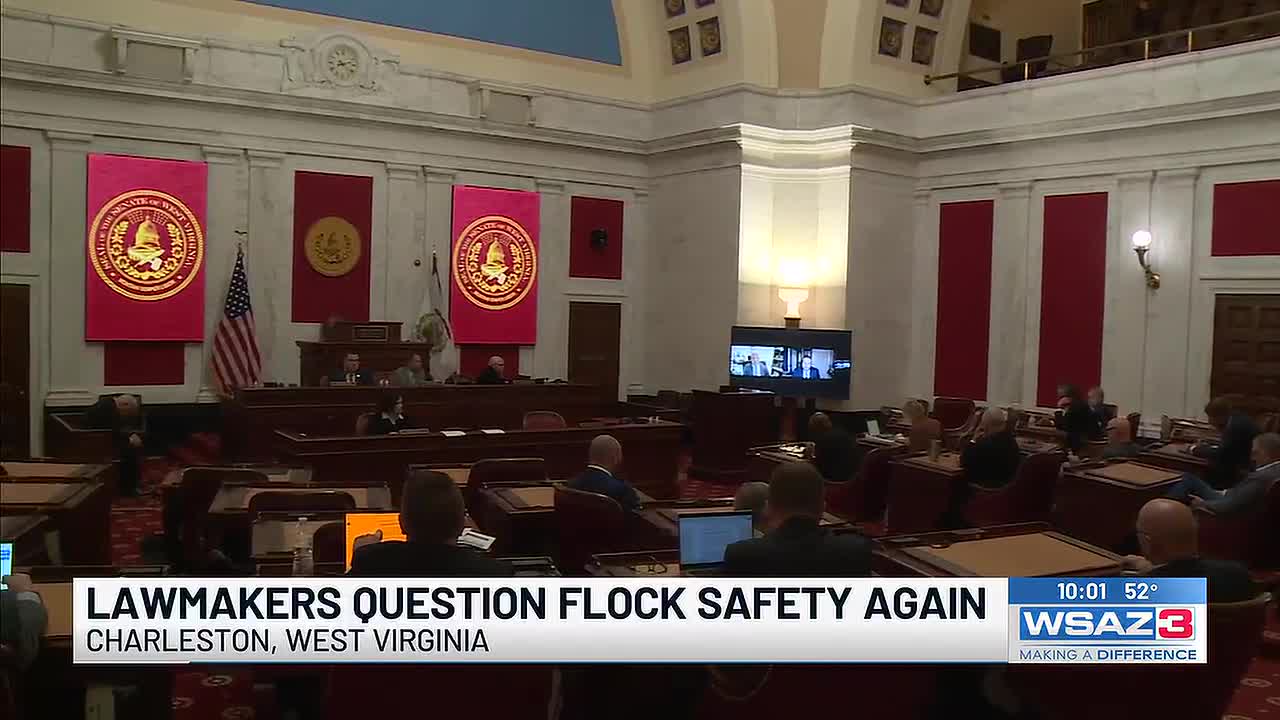
West Virginia lawmakers held a second meeting with representatives from Flock Safety, a company providing automated license plate reader (ALPR) technology, as they continue to evaluate its use. The discussions in Charleston come amid ongoing concerns from legislators regarding unanswered questions about the technology’s data access, potential for misuse, and overall implications for public privacy.
Following an initial discussion, lawmakers indicated that several key questions remained unresolved. These discussions are part of an effort to understand the capabilities and limitations of ALPR systems and how they align with public safety goals while safeguarding individual privacy rights. The legislature is reportedly working towards having potential legislative measures prepared for the upcoming January session.
The focus of the meetings highlights a common challenge faced by policymakers nationwide: balancing the perceived benefits of advanced surveillance technologies for crime prevention and investigation against the fundamental rights to privacy. Flock Safety’s technology, which includes cameras that capture license plates, has been deployed in various communities, with proponents citing its effectiveness in identifying stolen vehicles and assisting in criminal investigations. However, critics often raise concerns about the vast amounts of data collected, who has access to it, how it is stored and secured, and the potential for unwarranted surveillance.
Lawmakers are seeking clarity on these specific points to inform their decision-making process. The exact nature of the remaining unanswered questions was not detailed in the available information, but they are understood to pertain to the core functionalities, data governance policies, and oversight mechanisms related to Flock Safety’s ALPR systems. The objective is to craft legislation that could either permit, regulate, or prohibit the use of such technology within the state.
The timeline for potential legislation points to the next legislative session, indicating a deliberate approach to thoroughly examine the issue. The outcome of these deliberations will shape how West Virginia integrates or restricts the use of advanced surveillance technologies moving forward, with a clear aim to address both public safety needs and the privacy expectations of its residents.
Story summarized from the original created by Connor Durkin on www.wsaz.com, see more information here.
Media gallery


