
Liberian Thanksgiving: A Tradition Rooted in American History, Evolving with National Identity
The American holiday of Thanksgiving was brought to Liberia by its first settlers, who were African Americans, and has evolved to reflect the nation's history and identity.

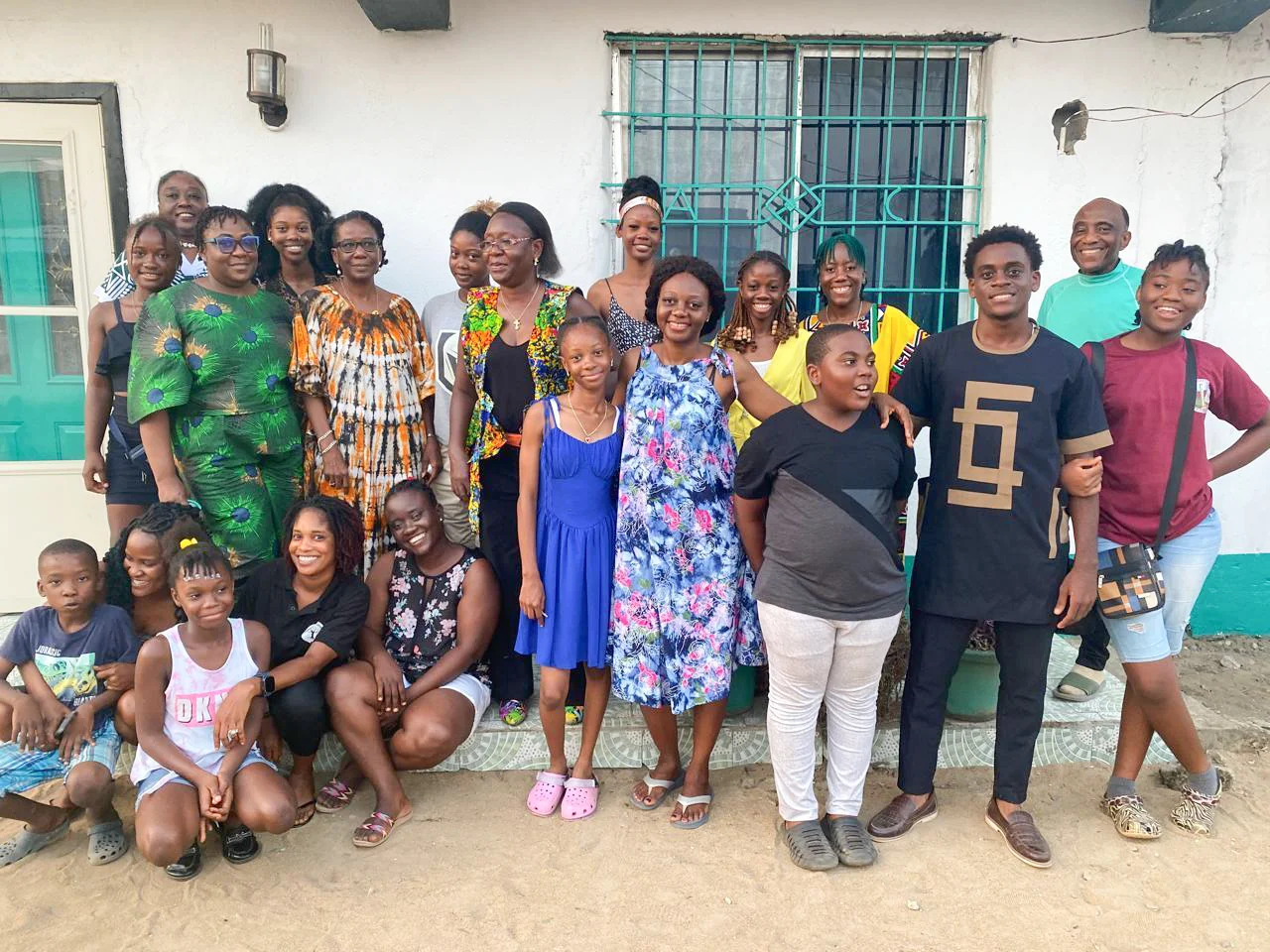
 Baton Rouge, LA, November 25, 2026 —
The tradition of Thanksgiving, an observance deeply embedded in American culture, has a unique historical connection to Liberia, West Africa. The holiday was introduced to the nation by its earliest settlers, who were African Americans. This introduction marked the beginning of a cultural exchange that has seen the observance adapt over time, becoming interwoven with Liberia’s own historical narrative and national identity.
Liberia was founded in the 19th century by freed slaves and freeborn African Americans, many of whom brought their cultural practices and traditions with them. Among these was the Thanksgiving holiday, a commemoration that celebrated gratitude and harvest, often with religious undertones. The establishment of Thanksgiving in Liberia provided a familiar touchstone for these settlers as they built a new nation.
Over the decades, the way Thanksgiving is observed in Liberia has transformed. While its origins are tied to American practices, the holiday now reflects the specific history and evolving identity of Liberia itself. This evolution allows the celebration to resonate more deeply with contemporary Liberian society, acknowledging both its foundational links and its distinct national journey. The holiday serves as a reminder of the complex historical connections between the United States and Liberia, and how traditions can be transplanted, adapted, and ultimately made their own by new communities.
Story summarized from the original created by Ari Daniel on www.npr.org, see more information here.
Media gallery


